Source Spiral Silicon Carbide Heating Elements for Furnaces
Compare 30 spiral silicon carbide heating elements from verified Chinese suppliers. These non-metallic rods support high-temperature applications up to 1550C with customizable sizes and ISO9001 standards. Buyers can evaluate different diameters, lengths, and packing options to find the best fit for their industrial heating needs.
Key considerations
Products List




Comprehensive Sourcing Guide
Spiral Silicon Carbide Heating Elements Sourcing Guide
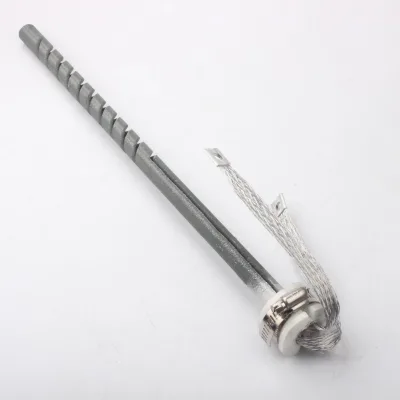
Spiral silicon carbide heating elements are critical components for high-temperature industrial applications, offering robust resistance heating capabilities. These elements are primarily constructed from non-metallic materials, specifically silicon carbide, which provides exceptional thermal stability and chemical resistance. Buyers should note that the core principle of operation relies on resistance heating, making them suitable for environments requiring consistent and intense heat generation. The structural integrity of these elements is maintained through a dense ceramic matrix, ensuring longevity even under extreme thermal cycling conditions.
The observed market signals indicate a wide range of product configurations, with sizes varying from 10mm to 54mm in diameter and lengths extending up to 4500mm. This variability allows for customization to fit specific furnace geometries, including squirrel-cage designs. The elements are typically grey in color and are designed to operate within a working temperature range of 600°C to 1550°C. Procurement teams must carefully match the element dimensions and temperature ratings to their specific process requirements to ensure optimal performance and safety.
Product Scope and Observed Listing Signals
The product scope encompasses a diverse array of spiral silicon carbide heating elements, characterized by their grey color and non-metallic structure. Listings frequently highlight attributes such as high temperature resistance, antioxidant properties, and long service life. The observed price range is broad, spanning from $0.2 to $899, reflecting differences in size, complexity, and supplier positioning. Minimum order quantities (MOQ) typically range from 1 to 100 units, offering flexibility for both pilot projects and large-scale industrial deployments. Buyers should interpret these signals as indicative of market diversity rather than uniform product standards.
Observed specifications include various model identifiers such as ED shape, jx001, and 2026907SIC, suggesting multiple product lines or customization options. The heat transfer surface is described as rods or tubular heat exchangers, indicating different installation methods and thermal dynamics. Applications are listed as high-temperature furnaces, heaters, and systems involving air or vacuum environments. These details suggest that the elements are versatile but require precise selection based on the specific thermal and mechanical demands of the end-use application.
Technical Specifications to Verify
Technical verification must begin with dimensional accuracy, as observed diameters range from 8mm to 75mm and lengths from 200mm to 4500mm. Buyers should confirm that the selected element fits the physical constraints of their heating chamber, including spiral pitch and overall length. The working temperature range is critical, with observed limits between 600°C and 1550°C. It is essential to verify that the element’s maximum working temperature exceeds the process requirements by a safe margin to prevent premature failure. Thermal expansion characteristics should also be considered to avoid mechanical stress during heating cycles.
Electrical specifications are equally important, though not explicitly detailed in the observed data. Buyers must verify the resistance values and power ratings to ensure compatibility with their power supply systems. The principle of resistance heating implies that the element’s electrical properties will change with temperature, so cold resistance measurements are vital for initial setup. Additionally, the structural material must be confirmed as silicon carbide to ensure the desired chemical inertness and thermal conductivity. Any deviation from these core material properties could compromise the element’s performance and safety.
Compliance and Safety Documentation
Compliance documentation is a key area of focus, with ISO9001:2000 and ISO9001 certifications frequently mentioned in product listings. Buyers should request current certification documents to verify that the supplier maintains a quality management system aligned with international standards. While these certifications indicate process control, they do not guarantee specific product performance. It is crucial to ensure that the supplier’s quality system covers the entire manufacturing process, from raw material sourcing to final packaging. This verification helps mitigate risks associated with inconsistent product quality.
Safety documentation should include detailed operating instructions and maintenance guidelines. Given the high operating temperatures, buyers must ensure that the elements are handled and installed correctly to prevent accidents. The antioxidant property of silicon carbide is a significant safety feature, reducing oxidation at high temperatures. However, buyers should verify that the supplier provides clear warnings regarding thermal shock and mechanical fragility. Proper documentation ensures that end-users can operate the heating elements safely and efficiently, minimizing downtime and risk.
Cost Drivers and Commercial Terms
Cost drivers for spiral silicon carbide heating elements include material quality, dimensional complexity, and order volume. The observed price range suggests that smaller, standard-sized elements are more affordable, while custom or larger dimensions command higher prices. Buyers should consider the total cost of ownership, including energy efficiency and lifespan, rather than just the initial purchase price. Elements with longer life spans and better quality may have higher upfront costs but offer significant savings over time. Understanding these drivers helps in making informed procurement decisions.
Commercial terms such as MOQ and lead times are also significant factors. Observed MOQs range from 1 to 100 units, allowing for flexible purchasing. Lead times are typically reported as 7-10 days, which is relatively fast for custom industrial components. Buyers should confirm these terms with the supplier, as they can vary based on production capacity and order complexity. Packaging methods, including wooden boxes, foam plates, and polywood cases, should be verified to ensure safe transit. Proper packaging is essential to prevent damage to the fragile ceramic elements during shipping.
Supplier Qualification and Quality Control
Supplier qualification involves assessing the manufacturer’s technical capabilities and quality control processes. Buyers should verify the supplier’s origin, with many listings indicating production in Henan, China. This region is known for its ceramic industry, but buyers must still conduct due diligence to ensure consistent quality. Requesting samples for testing is a recommended step to evaluate the element’s physical and electrical properties. This hands-on verification helps confirm that the product meets the specified technical requirements before committing to a large order.
Quality control measures should include rigorous testing for dimensional accuracy, surface finish, and electrical resistance. Buyers should inquire about the supplier’s inspection protocols and defect rates. A supplier with a robust quality control system is more likely to deliver consistent products. Additionally, buyers should assess the supplier’s customer service and support capabilities. Responsive communication and technical assistance are valuable assets when troubleshooting installation or performance issues. A qualified supplier enhances the overall procurement experience and reduces operational risks.
Long-Term Procurement Checks
Long-term procurement checks focus on the sustainability and reliability of the supply chain. Buyers should monitor the supplier’s ability to maintain consistent quality over time, especially for repeat orders. Tracking performance metrics such as element lifespan and failure rates is essential for evaluating long-term value. Suppliers who provide detailed performance data and support are preferable for ongoing procurement needs. Regular reviews of supplier performance help identify potential issues early and ensure continuous improvement.
It is also important to stay updated on industry standards and technological advancements in heating elements. As technology evolves, new materials or designs may offer improved performance or efficiency. Buyers should engage with suppliers to discuss potential upgrades or alternative solutions. Maintaining a strong relationship with the supplier can facilitate access to new products and better pricing. Proactive engagement ensures that the procurement strategy remains aligned with the company’s long-term operational goals and technological needs.
FAQs
What is the maximum working temperature for these elements?
The maximum working temperature reaches 1500 degrees Celsius for specific models. Other variants operate within a range of 600 to 1550 degrees Celsius depending on the specific application requirements and design specifications provided by the manufacturer.
Which certifications do these heating elements hold?
These products hold ISO9001 certification standards. Some listings specifically reference ISO9001:2000 compliance, ensuring quality management systems are in place for the manufacturing and supply of these silicon carbide heating components.
How are these elements packaged for shipping?
Packaging options include wooden boxes wrapped in plastic foam or polywood cases with internal foam plate protection. Some items are shipped in wooden cases to ensure safe transport and prevent damage during international logistics operations.
Can I request custom sizes for these elements?
Yes, customization is available for these heating elements. Standard sizes range from 8mm to 54mm in diameter, but buyers can request specific dimensions to match their unique furnace or industrial heating equipment requirements.
What is the typical delivery time for orders?
The typical delivery time is between 7 to 10 days for standard orders. This lead time applies to the supply of spiral silicon carbide heating elements from the manufacturing facilities located in Henan, China.
Where are these heating elements manufactured?
These elements are manufactured in Henan, China. The origin is explicitly stated as China, with specific production facilities located in the Henan province region for the supply of these industrial heating components.